 Go to content


Play Expertise
Natural Playground Design: Creating Immersive Play Spaces That Connect Children with Nature
Natural playground design has evolved significantly in recent years, as landscape architects, councils, and educators worldwide recognise the profound benefits of connecting children with the natural world through play. Rather than imposing artificial structures onto a landscape, natural playground design works with the environment to create rich, multisensory play experiences that feel organic and inviting.

Design Philosophy: Open-Ended Play
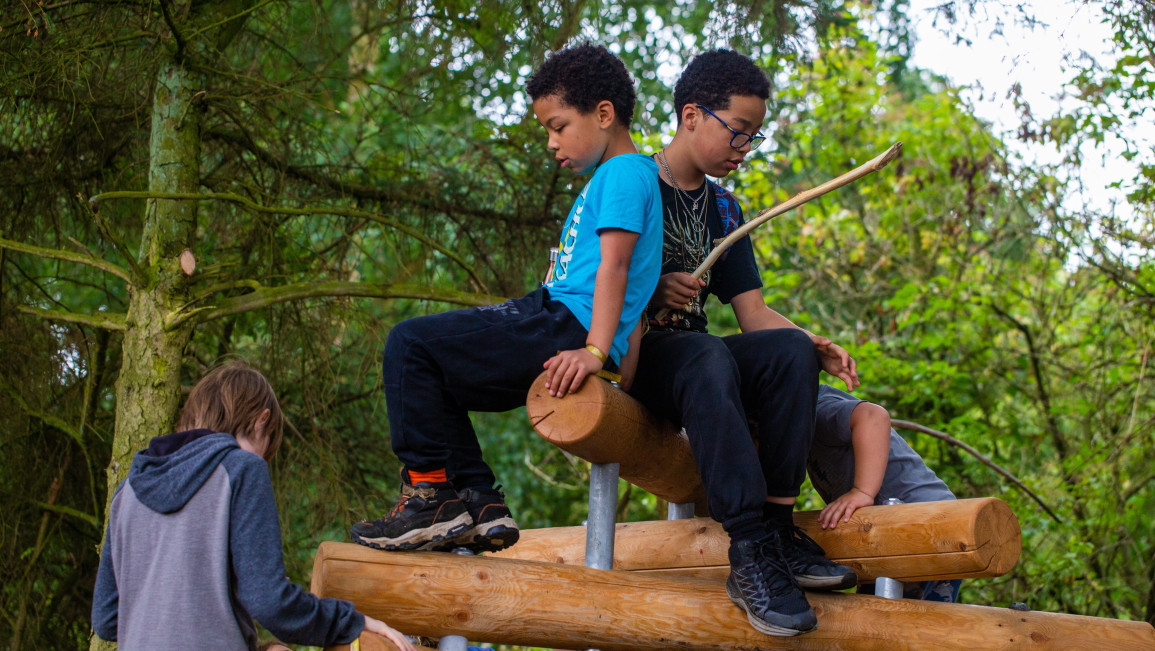
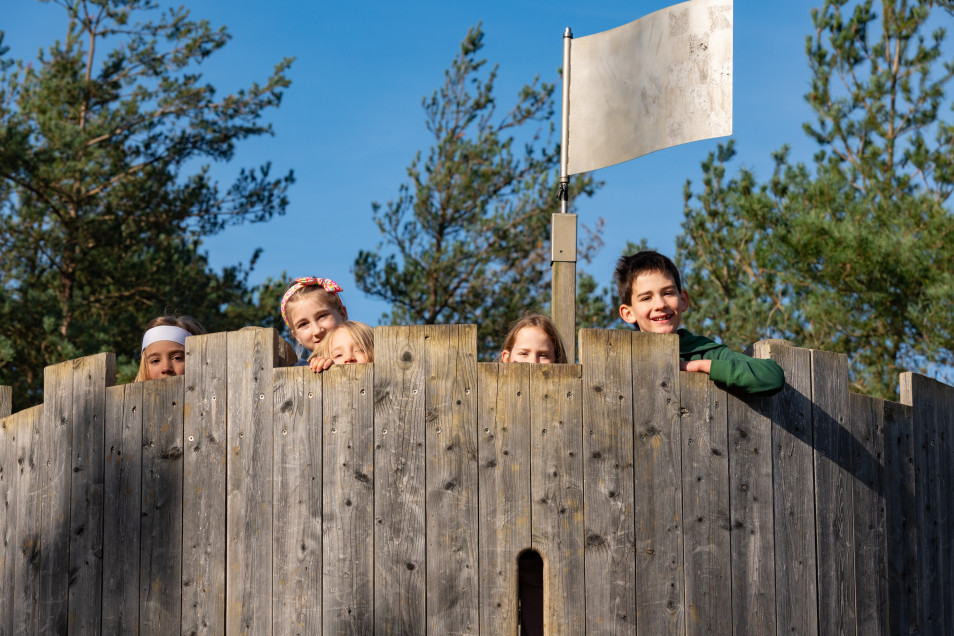
At the heart of natural playground design lies a simple but powerful principle: play should be open-ended. Unlike conventional equipment, wooden natural play equipment invites children to create their own games, narratives, and challenges. A carefully positioned log becomes a balance beam one day, a pirate ship the next, and a quiet thinking spot the day after. This flexibility honours children's innate creativity and allows the playground to grow with them.
These play spaces echo the environments where children have played throughout history – before plastic slides and rubber surfacing became the norm. They tap into something fundamental about childhood: the desire to explore, build, climb, and discover in settings that feel authentic and alive.
Integration with the Natural Environment
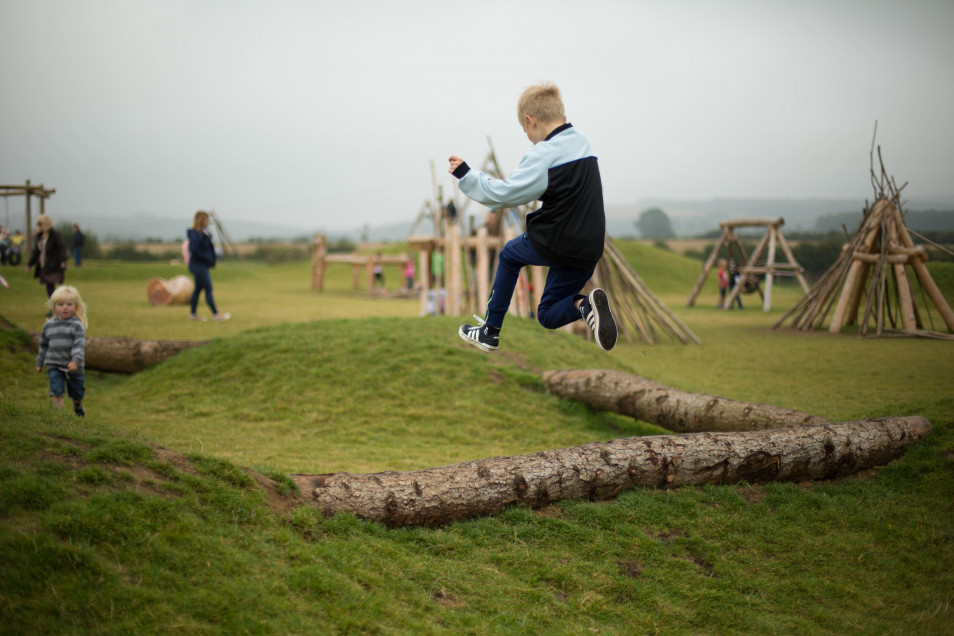
Thoughtful natural playground design considers both the existing landscape and opportunities to enhance terrain and topography. At Hogmoor Inclosure in England, we worked with the site's gentle slopes and woodland character to create a play space that feels like a natural extension of the forest itself. The varied, dynamic landscapes we create – with hills to roll down, dips to navigate, and elevated platforms to conquer – challenge children's developing bodies and minds in ways that flat, uniform surfaces simply cannot.
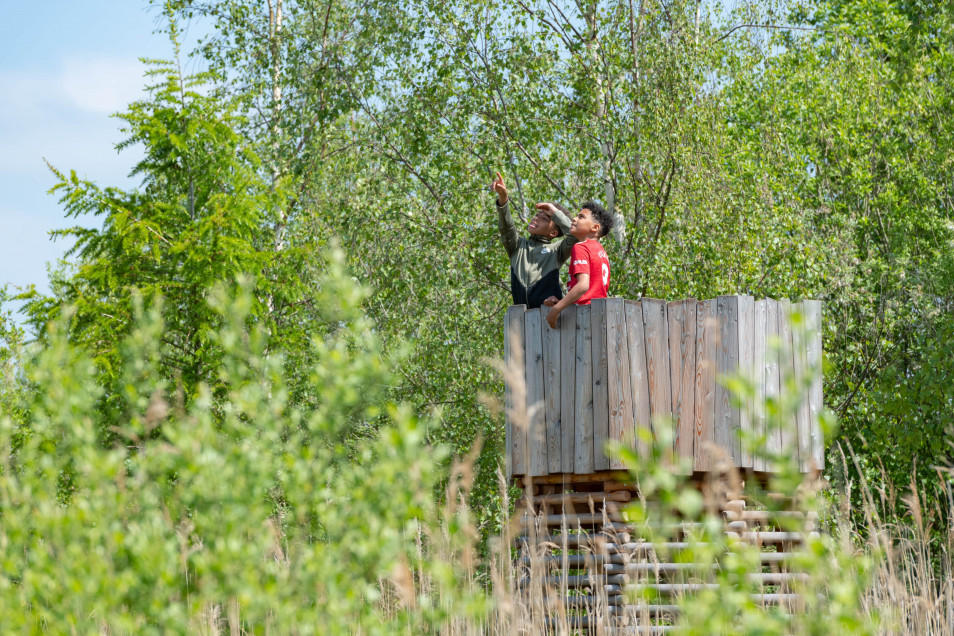
Bringing elements of the natural world directly into the playground is equally important. Plants and trees provide shade, seasonal interest, and opportunities for nature observation. Strategic placement of boulders creates climbing challenges and gathering spaces. Sand and water play areas connect children to elemental materials. At RSPB Old Moor, the playground design celebrates the wetland setting, incorporating bird-watching elements alongside robust outdoor timber play equipment.
Natural Materials: Wood and Rope
The materials we choose define the tactile experience of a playground. Timber – particularly the responsibly sourced larch we use from Richter Spielgeräte – offers warmth and texture that synthetic materials cannot match. Wood feels different in summer and winter, when wet and dry. It reveals its natural grain and character. It ages beautifully, developing a silver-grey patina that tells the story of countless play sessions.
Rope adds another tactile dimension, from the satisfying grip needed to climb rope ladders to the gentle sway of net structures. These materials invite touch and exploration in ways that cold metal or plastic rarely do.
Engaging the Senses
Nature-inspired playgrounds are inherently sensory-rich environments. The texture of bark beneath fingertips, the scent of wood warming in the sun, the sound of leaves rustling overhead, the feeling of sand between toes – these experiences engage children fully and ground them in the present moment.
Water and sand play areas amplify sensory engagement. Children delight in the cool splash of water, the malleable quality of wet sand, and the satisfying patterns left by digging tools. At Pounds Park, the sand and water play zone has become the social heart of the playground, where children of all ages collaborate, experiment, and create together.
The soil itself offers sensory richness – its earthy smell after rain, its varying textures from dry and crumbly to damp and moldable. Seasonal planting brings changing colours, scents, and textures throughout the year, making each visit to the playground a slightly different experience.
DISCOVER HOW NATURAL PLAYGROUNDS SUPPORT DEVELOPMENT