 Go to content


Play Expertise
Benefits of Wooden Playgrounds
Timber has been humanity's building material of choice for millennia, and for good reason. In natural playground design, wood – particularly the mountain larch we use – offers a unique combination of practical, sensory, and educational benefits that synthetic alternatives simply cannot match.


Natural Aesthetic Appeal
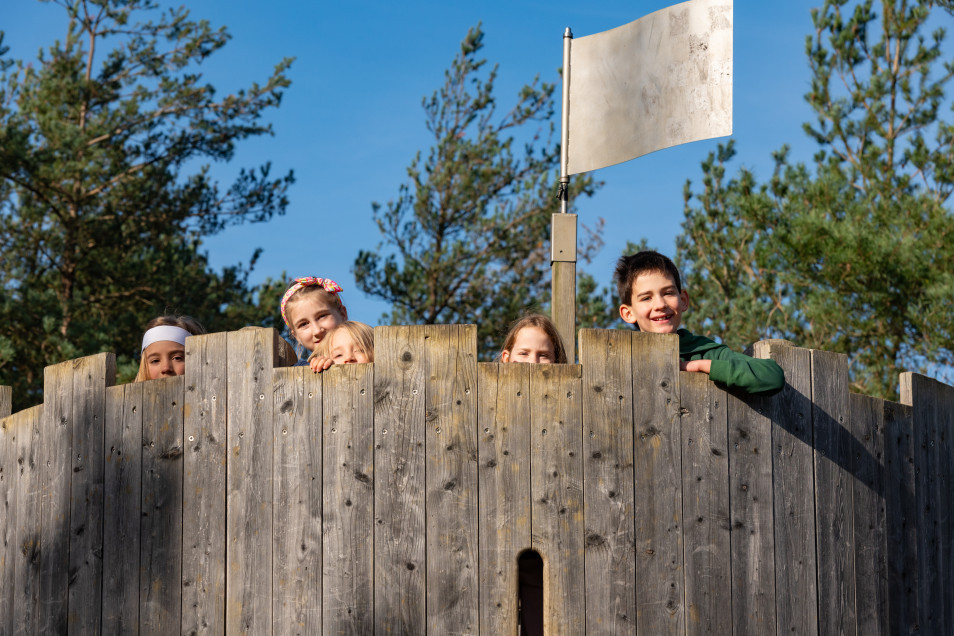
Wooden playgrounds possess an organic beauty that helps play spaces blend harmoniously with their surroundings. Rather than bright primary colours that jar against natural landscapes, timber creates a visual connection between built structures and the living environment.
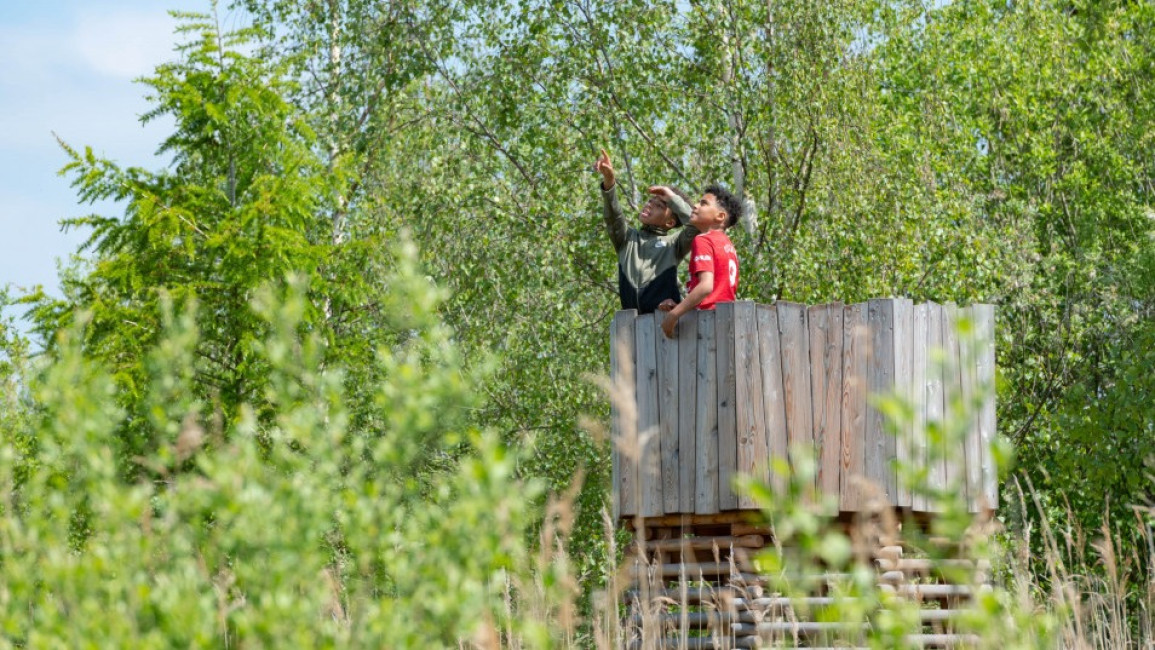
This aesthetic consideration is particularly important for landscape architects and urban designers working on projects in parks, nature reserves, and eco-developments. At RSPB Old Moor in England, the outdoor timber play equipment complements the wetland setting rather than competing with it, creating a cohesive environment where play and nature coexist seamlessly.
The natural wood grain patterns and colour variations mean each piece is unique. As the wood ages and develops its characteristic silver-grey patina, it becomes even more attractive – unlike synthetic materials that often look increasingly shabby with age. This graceful aging means wooden playgrounds can look better after five or ten years than they did on installation day.
Sensory and Tactile Benefits
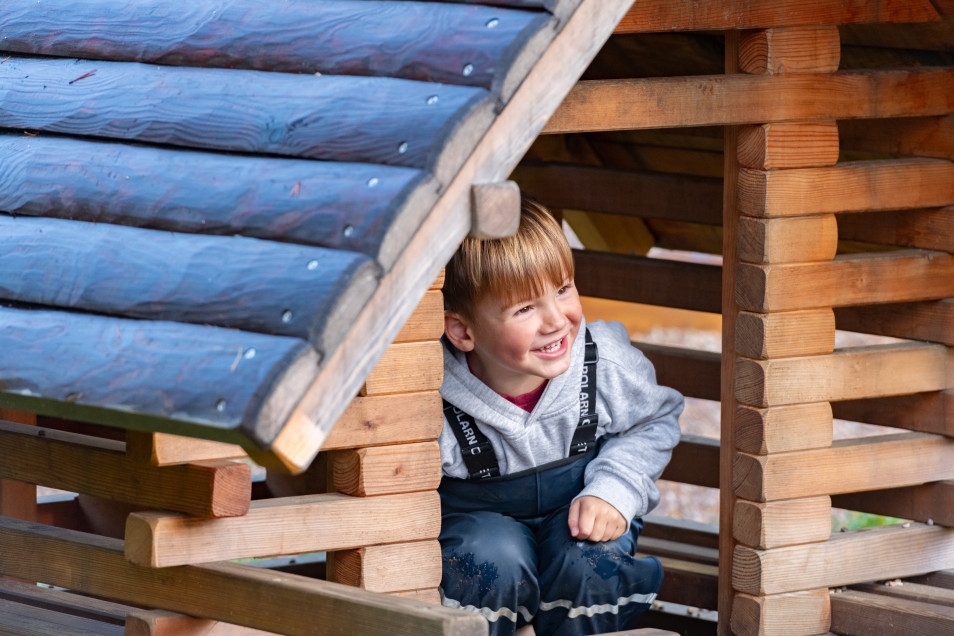
The tactile experience of wood is irreplaceable. It feels warm to the touch, even on cool days, unlike metal that can be scorching in summer and freezing in winter. The natural texture of mountain larch – firm yet slightly yielding, with subtle grain patterns – provides sensory feedback that children find satisfying and engaging.
According to Richter's materials philosophy, mountain larch timber offers exceptional tactile qualities alongside its structural strength. Children notice these sensory differences, even if they can't articulate them. They're more likely to touch, stroke, and engage physically with wooden structures than with smooth plastic alternatives.
Wood also responds to environmental conditions in ways children can perceive. It's cool and slightly damp on misty mornings, warm and dry on sunny afternoons. It smells faintly of forest. These subtle sensory cues connect children to weather patterns and seasonal changes, making each visit to the playground a slightly different experience.
Natural Durability and Rot Resistance
Larch grown in the mountains has fewer resin pockets, less cracking, tighter growth rings and increased durability compared to other softwoods. Larch wood has natural resistance to rot, making it suitable for both interior and exterior projects. This makes it particularly valuable for playground equipment that needs to withstand outdoor conditions without requiring extensive chemical treatments.
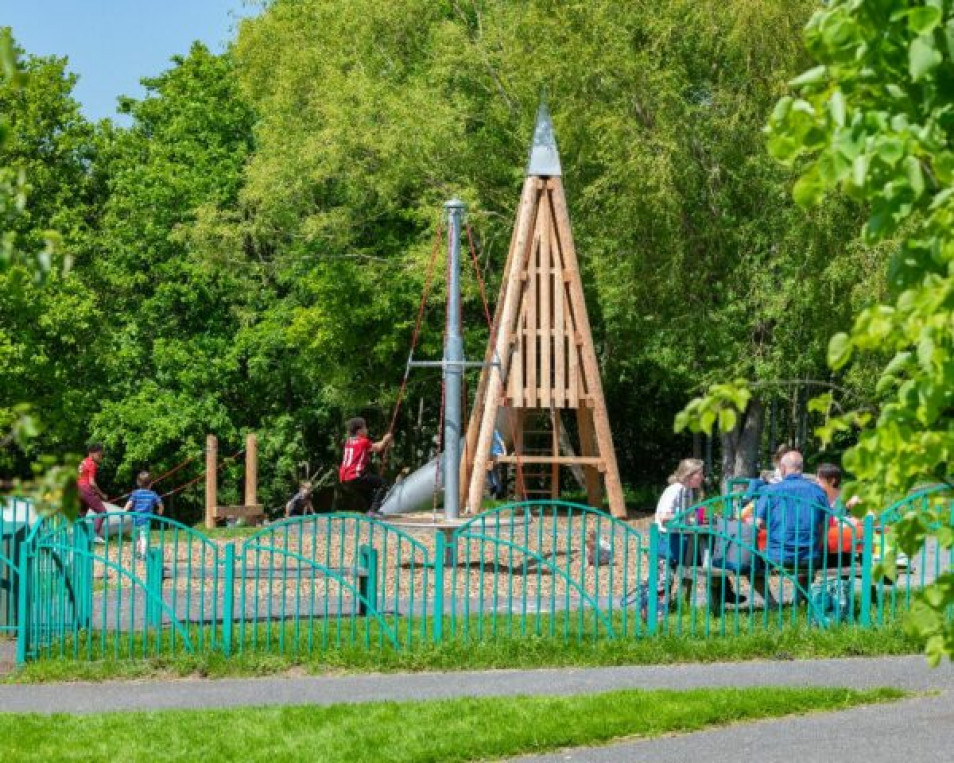
At Williams Den and Pounds Park in the UK, the sustainable playground structures handle constant use, variable weather, and the inevitable knocks and scrapes of adventurous play without deteriorating. This reliability is crucial for local authorities and site managers who need confidence that their investment will serve the community for decades.
Educational Value
Wooden playgrounds offer unique educational opportunities. Children can observe weathering processes, notice how wood darkens when wet and lightens as it dries, and explore growth rings visible in cut ends. These observations connect to curriculum topics around trees, forestry, and material science in ways that plastic equipment never could.
The visible character of timber – knots, grain patterns, colour variations – teaches that natural materials have individuality. No two pieces are exactly alike, introducing concepts of uniqueness and variation in nature. For landscape architects creating nature-inspired playgrounds, this educational dimension adds significant value.
The craftsmanship visible in well-made wooden structures also conveys messages about quality, care, and skilled work. Children absorb these lessons implicitly as they play, developing appreciation for well-crafted objects and natural materials.
DISCOVER SURFACING AND COMPLEMENTARY ELEMENTS