 Go to content


Play Expertise
Surfacing and Complementary Aspects in Natural Playgrounds
Creating an authentic natural playground requires looking beyond the play structures themselves to consider the entire environment. Surfacing choices and complementary elements designed by landscape architects can transform a good playground into an exceptional one that truly connects children with nature.


Natural Playground Surfacing
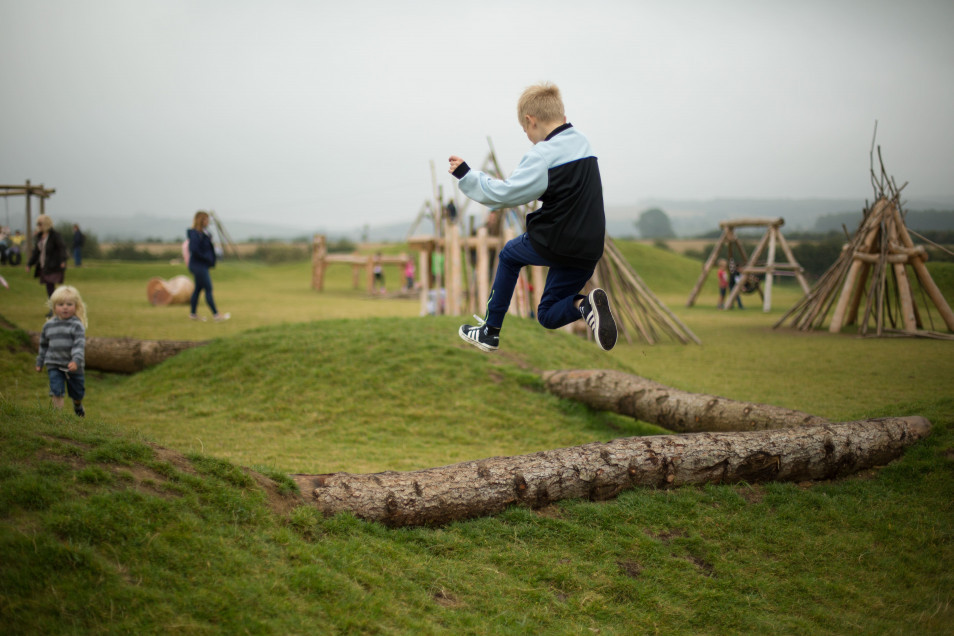
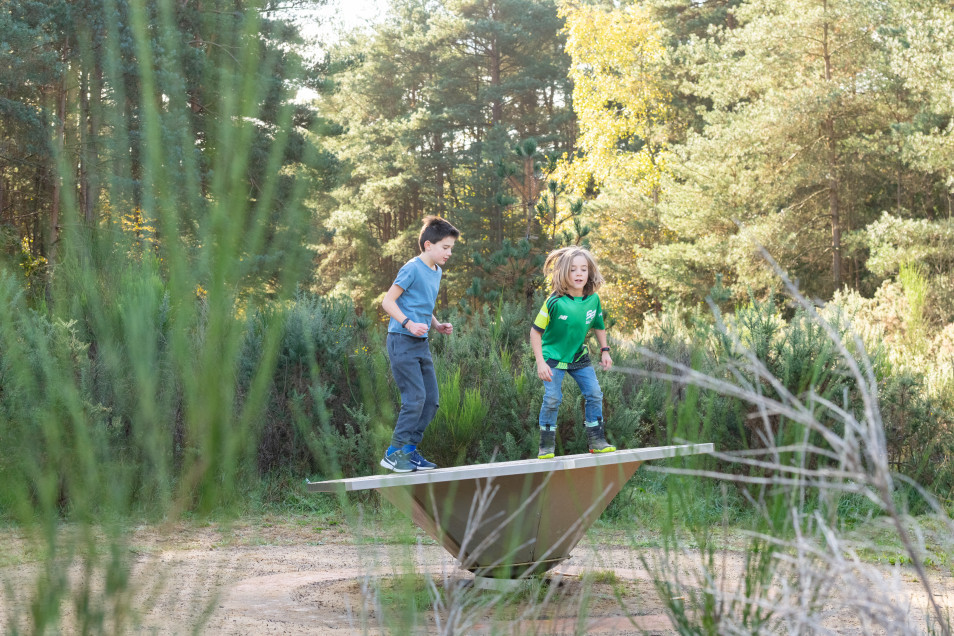
The ground beneath children's feet matters enormously to their play experience. Natural surfacing options – primarily sand and woodchip – offer tactile richness and play value that safety surfacing materials struggle to match.
Sand provides one of childhood's most beloved play materials. As a surfacing choice, it cushions falls while inviting creative play. Children dig channels, build structures, and create imaginary landscapes. The same sand that provides critical fall protection becomes an active element in play. At Pounds Park, the generous sand areas accommodate both sand-water play and provide impact-absorbing surfacing beneath climbing structures.
Sand surfaces can incorporate deliberate variation – slight dips and mounds that add topographical interest and challenge children to navigate changing terrain. This breaks up the visual monotony of flat surfaces and creates microenvironments for different types of play.
Woodchip offers different but equally valuable qualities. Its organic appearance helps nature-inspired playgrounds blend into woodland or park settings. The slightly springy, irregular surface provides sensory feedback with each step. Children love the rustling sound it makes and often gather it into piles or pathways as part of their play.
Quality woodchip surfacing requires depth and proper specification to meet safety standards while maintaining its natural character. The earthy smell and texture connect children to forest environments, supporting the natural playground design aesthetic.
Both surfacing types have practical advantages: they're permeable, helping manage drainage and reducing standing water issues. They're also more affordable than rubber surfacing, allowing budgets to stretch further on outdoor timber play equipment and planting.
Complementary Natural Elements
The most successful nature-inspired playgrounds extend beyond timber structures and natural surfacing to incorporate additional elements that deepen children's connection to the environment. These aspects are typically designed and specified by landscape architects but work in harmony with our wooden natural play equipment.
Strategic planting transforms playgrounds from play-zones into play-gardens. Native species support local ecology while providing seasonal interest – spring blossoms, summer shade, autumn colours, winter structure. At Heeley People's Park in England, thoughtful planting creates distinct areas within the playground while supporting biodiversity.
Plants also offer play value. Ornamental grasses swish satisfyingly when brushed by running children. Fragrant species like lavender engage the sense of smell. Robust species with interesting seed heads or bark textures become subjects for investigation and nature study.
Climate-appropriate planting ensures that natural playgrounds thrive in their specific locations, whether in temperate regions, Mediterranean climates, or tropical environments.
Trees serve multiple functions in natural playground design. They provide essential shade for hot days, create dappled light patterns that children find enchanting, and offer wildlife habitat that encourages nature observation. Existing mature trees can be incorporated into playground layouts, with structures positioned to complement rather than compete with them.
Climbing boulders add another dimension to wooden playgrounds. Unlike manufactured climbing walls, boulders offer irregular surfaces that challenge children to problem-solve their routes. Each boulder has a unique character with varied handholds and textures. At Pounds Park and Heeley People's Park, strategically placed boulders complement timber structures while extending play opportunities.
Large boulders also create gathering spaces. Children perch on them for rest and social interaction. They become landmarks within the playground landscape – "meet me at the big boulder" – helping with wayfinding and creating memorable spaces.
Natural rope elements extend the tactile vocabulary of playgrounds. Rope climbing nets, rope bridges between platforms, and rope ladders all provide different movement challenges while maintaining the natural materials palette. The flexibility of rope creates a distinct physical experience from rigid timber or metal, developing different muscle groups and movement patterns.
Creating Cohesive Natural Play Environments
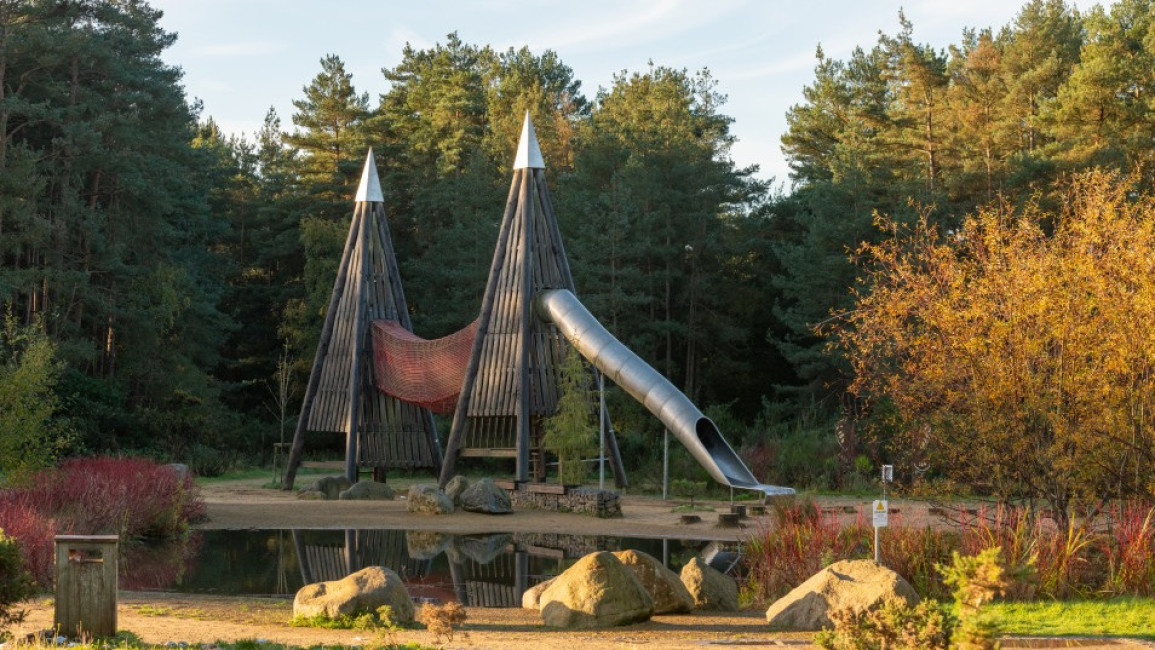
The magic happens when all these elements work together. At Hogmoor Inclosure, sustainable playground structures, varied topography, strategic planting, and natural surfacing combine to create an environment where children are surrounded by nature. The playground doesn't feel imposed on the landscape – it feels like it grew there.
This integration requires close collaboration between playground designers and landscape architects from the earliest planning stages. Timberplay works alongside design teams worldwide to ensure play structures, surfacing, planting schemes, and natural features complement each other to create unified, nature-rich play experiences.
For landscape architects and local authorities planning natural playground design projects, this holistic approach yields environments that children love, parents appreciate, and communities value for generations. The combination of manufacturers like Timberplay providing robust outdoor timber play equipment, alongside thoughtful landscape design incorporating planting and natural elements, creates the exceptional play spaces that modern communities deserve.
START PLANNING: CONTACT US