 Go to content


Play Expertise
Designing for Motor Impairments Beyond Wheelchair Access
Many children experience motor impairments that don't involve wheelchair use but still significantly affect their playground experience - coordination challenges, muscle weakness, balance disorders, or limited range of motion.
Read our interview with Julian Richter from Richter Spielgeräte, discussing how to create maximum play value, where every single part is useable for every single person.
Design Principles
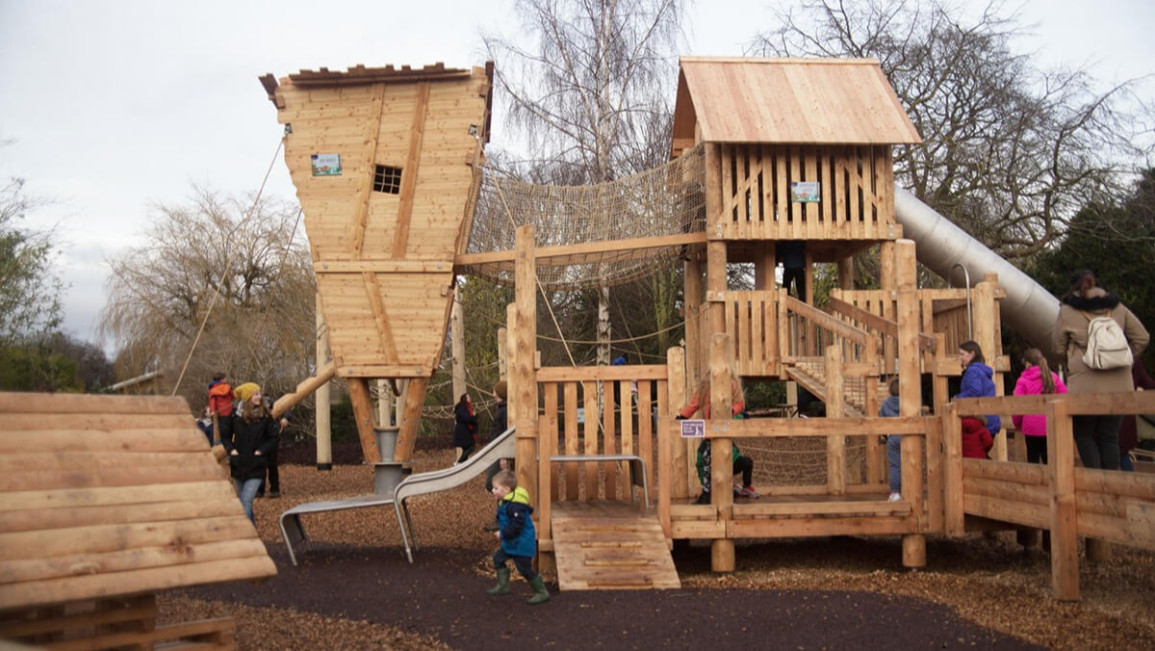
- Multiple Access Routes: Provide multiple ways to achieve the same play outcome - stairs, ramps, transfer points, and alternatives.
- Support and Stability: Install handrails on both sides of ramps and stairs. Include back support on seating and swings. Use wide steps.
- Reduced Strength Requirements: Include basket swings that caregivers can push, equipment using simple machines, and low-force manipulatives.
- Accommodate Coordination Challenges: Use clear visual pathways, consistent design logic, wider platforms, and predictable movement.
Case Study: Climbing Stacks
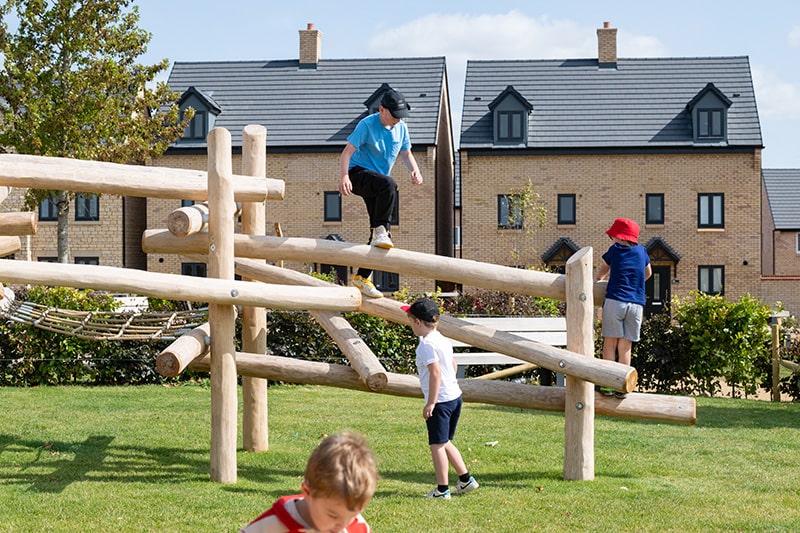
Our climbing structures offer multiple routes: traditional climbing for confident children, stepped routes with handholds, and different heights allowing success at various ability levels.
Natural Material Benefits
Timber texture provides sensory information helping children with proprioceptive challenges understand grip and position.
EXPLORE OUR INCLUSIVE ADVENTURE EQUIPMENT RANGE