 Go to content


Ideas and Insights
Why Multi‑Generational Travel Is Now Reshaping Resort Development.
International hospitality was once a domain almost exclusively for adults. When children were allowed into hotels or resorts they were often separated into kids’ clubs or all-day activities, leaving parents free to relax, uninterrupted.
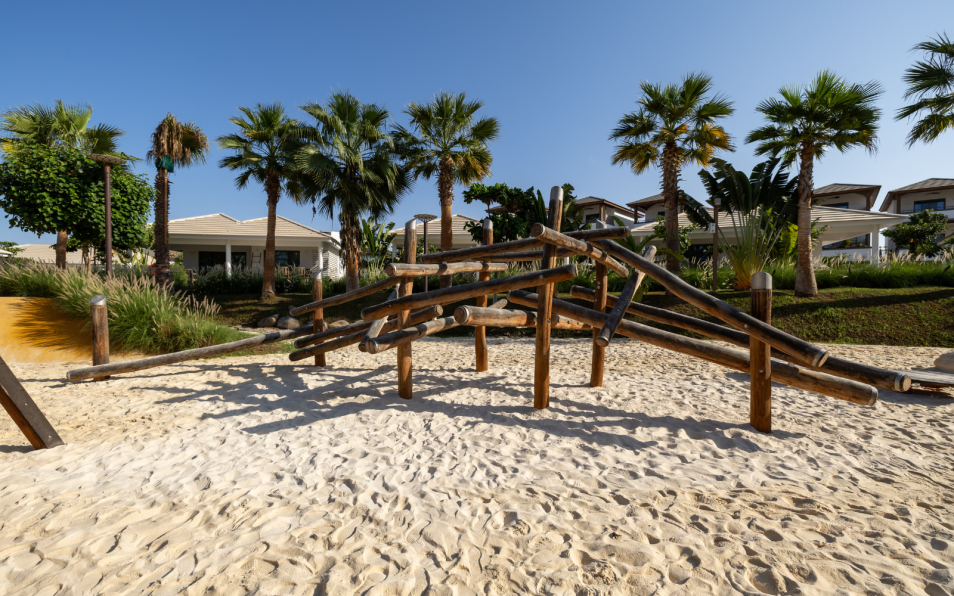
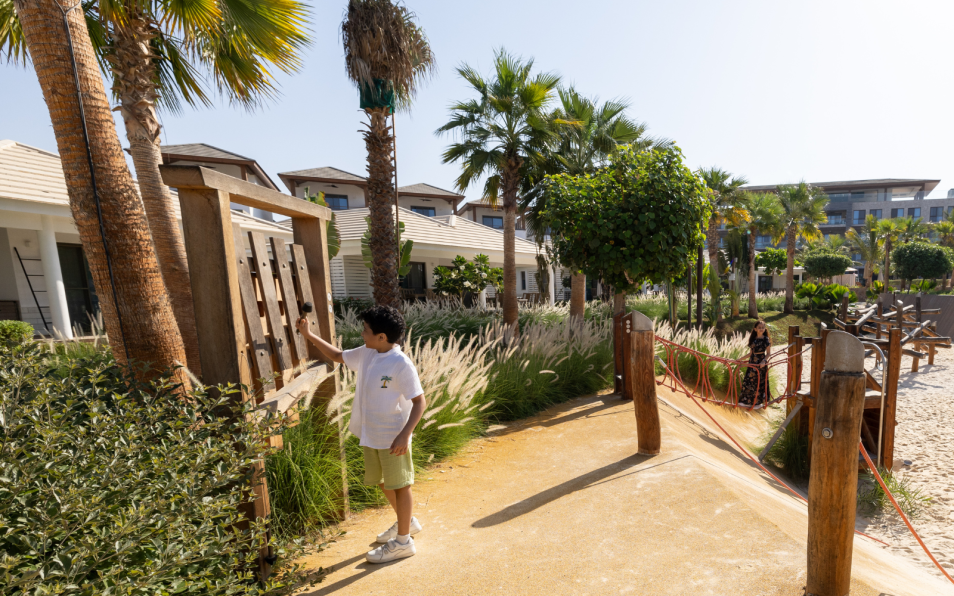
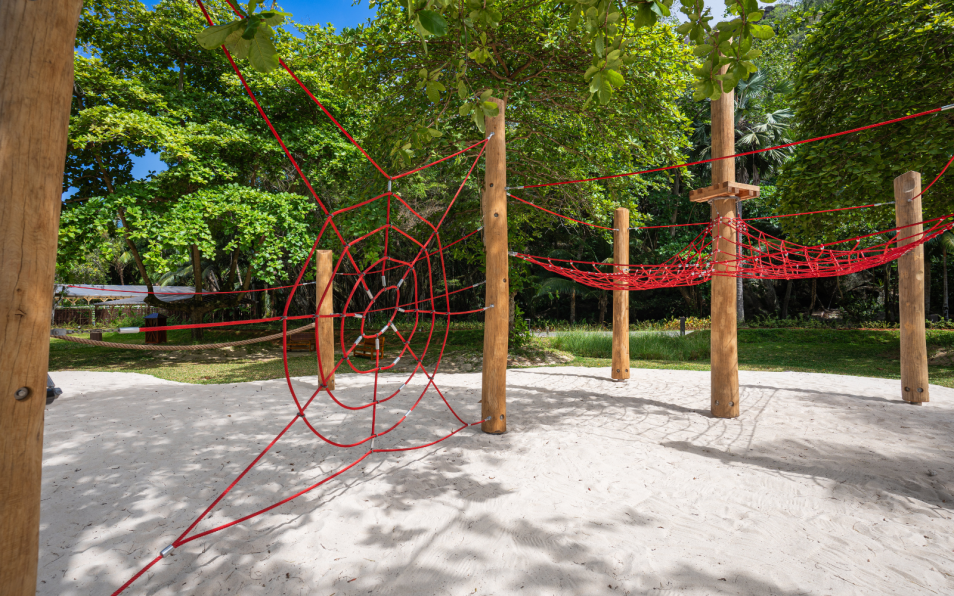
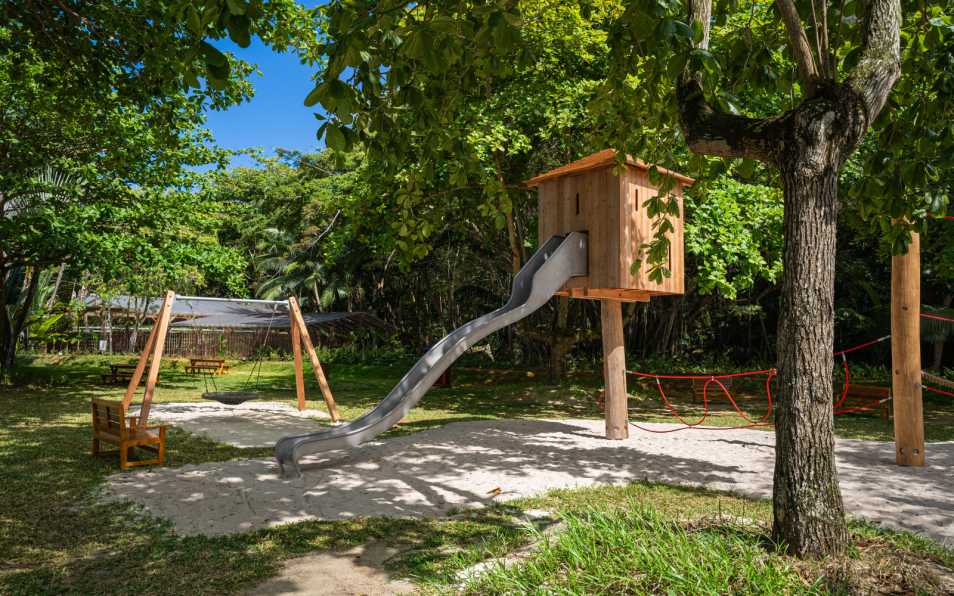
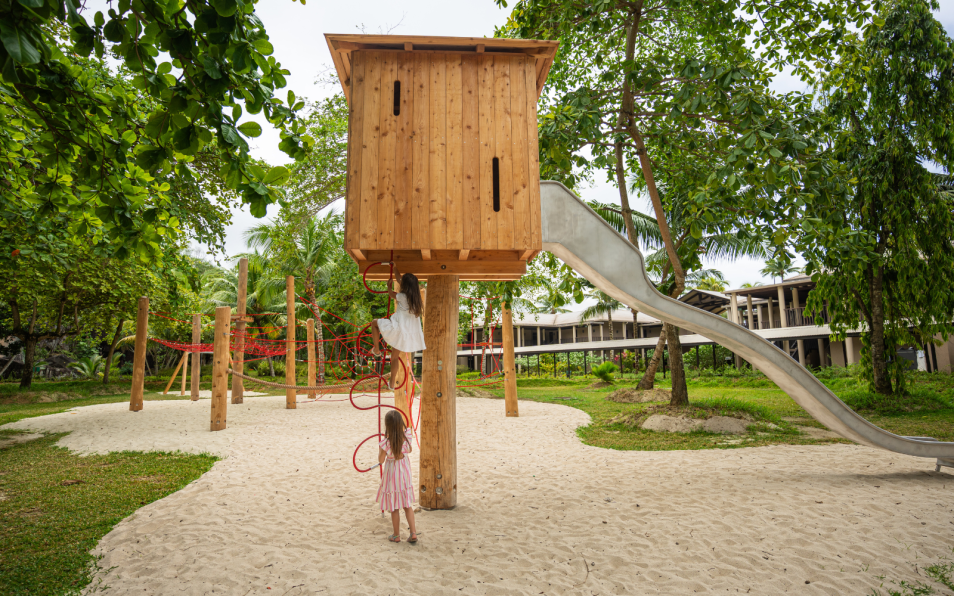
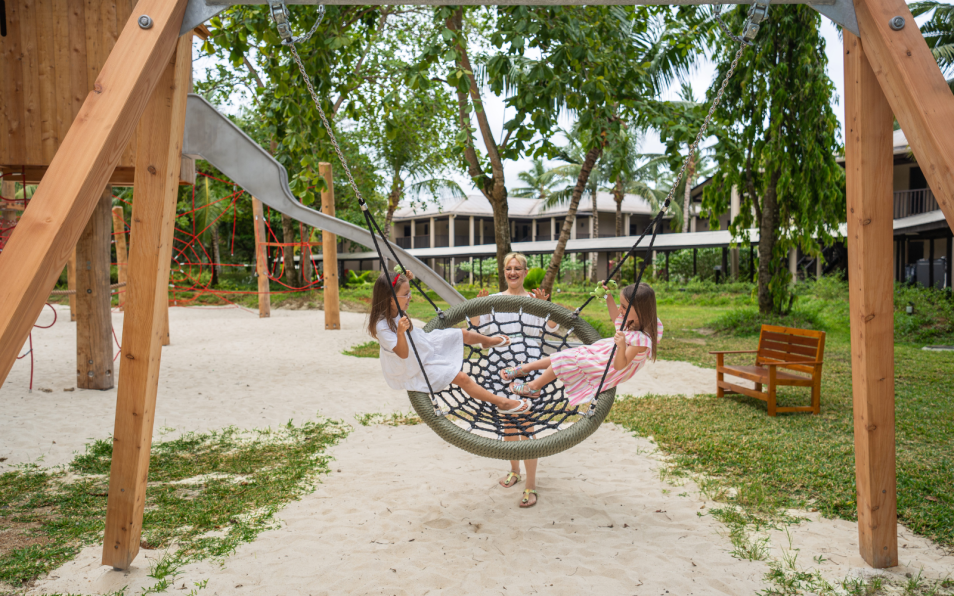
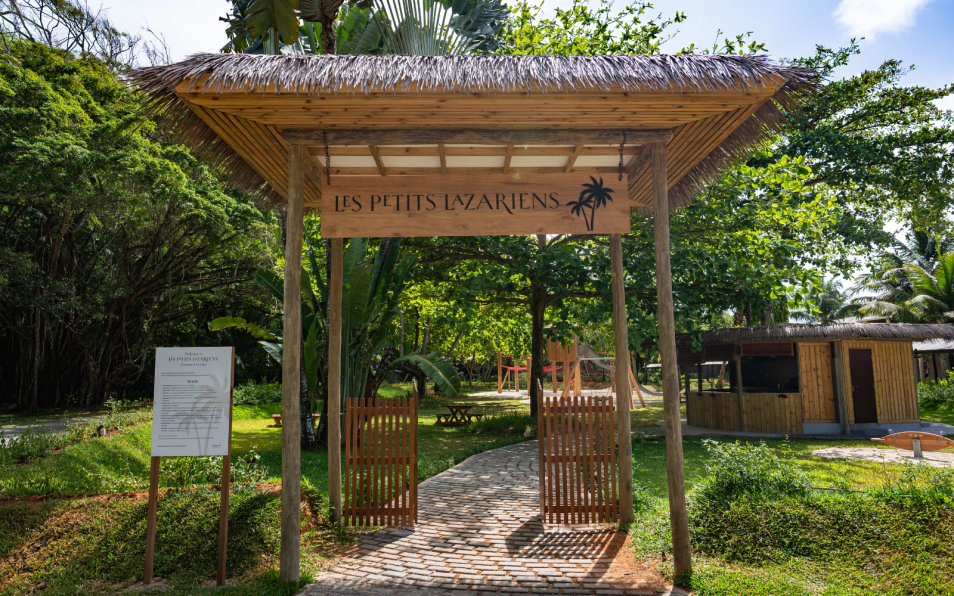
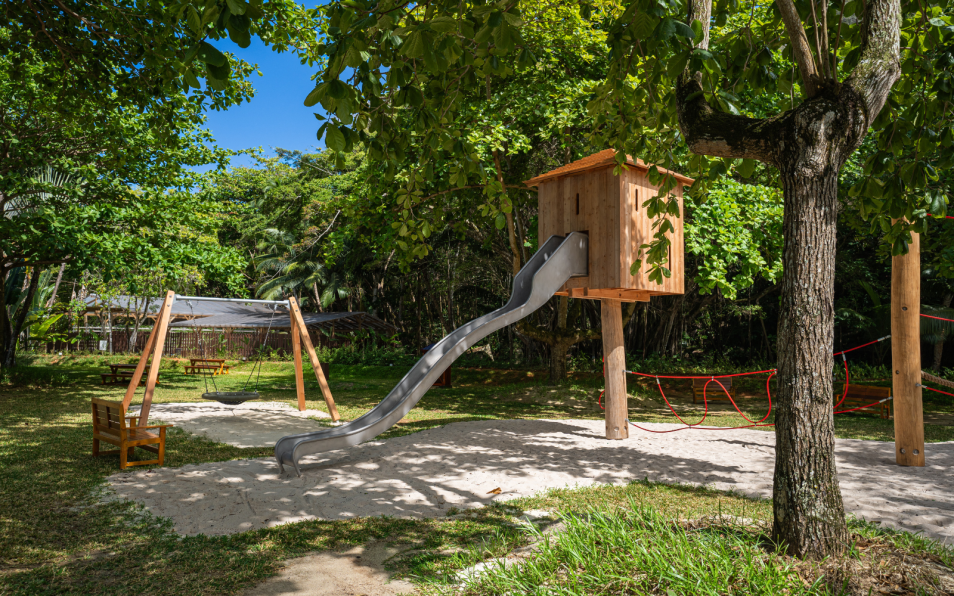
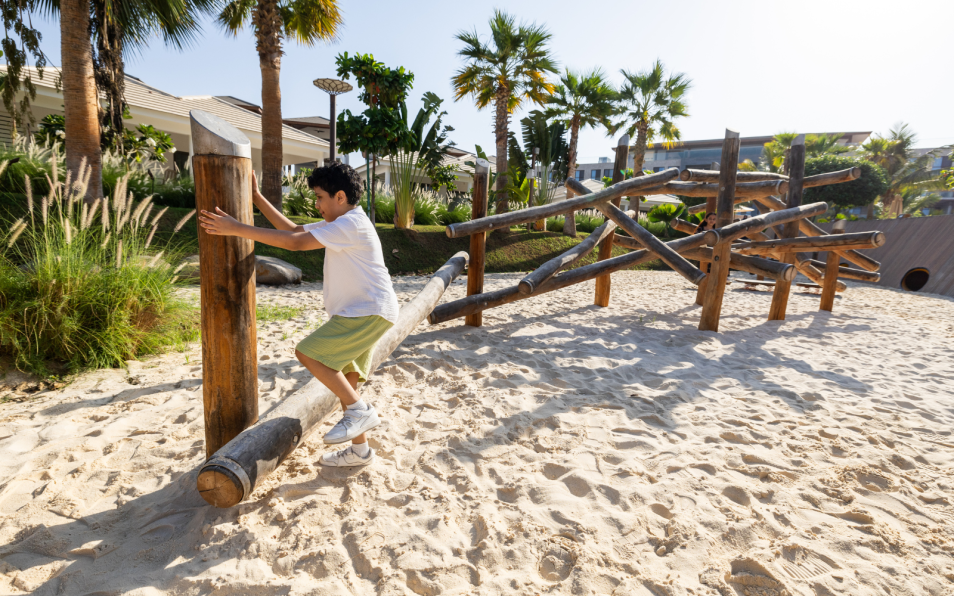

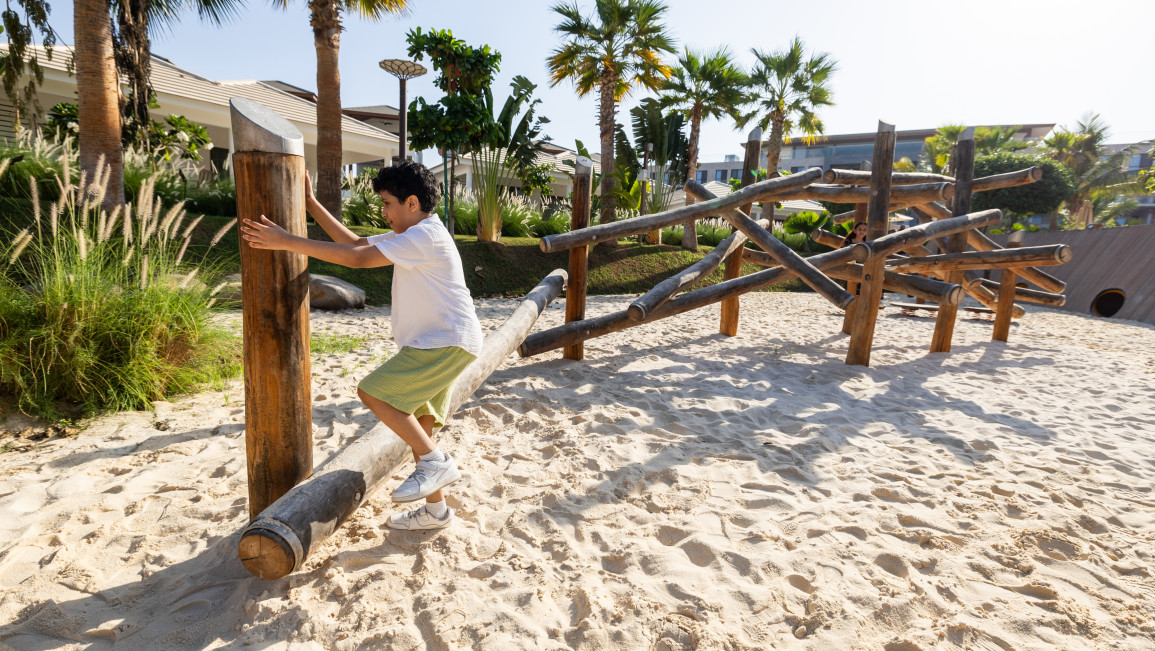
Today, that model of family travel is increasingly a thing of the past. A new generation of high-end resorts and hotels is placing children and families at the heart of their developments. After all, by capitalising on multigenerational leisure opportunities, properties don’t just benefit from increased bookings today — they build loyalty for the future. Those children grow up, have families of their own, and seek out the same high-quality holiday experiences they enjoyed in their own childhoods.
The Rapid Growth of the Luxury Family Travel Market
Family bookings to high end hospitality currently represent around 25% of the market, a very sizable portion of their clientele, but this is set to increase further over the next decade. A recent report by Marketintelo.com values the Family Luxury Travel Market at around £348billion, but predicts this will leap higher £1.04 trillion by 2034.
Changing Expectations of Modern Parents in Luxury Resorts
Getting your family offering right can make all the difference for how attractive the hospitality setting will be to this increasingly lucrative market. Oliver Corrin, Luxury Hospitality Strategist hits the nail on the head
“In luxury hospitality we obsess over details… yet there’s one audience consistently undervalued; families. Parents are no longer willing to compromise. They want to travel as a family without sacrificing sophistication, design or experience.”
Shifting Attitudes After the Pandemic: Quality Time as the New Luxury
It is also important to note that as well as an increased demand for high quality experiences for the whole family, there is also an increase in the number of very wealthy individuals, and those aspiring to be so, as McKinsey & Company highlight here,
So, for a new or existing hospitality setting, resort or hotel, considering the family market and children specifically could be integral to their future success.
There has also been a real change in attitude post pandemic. Timberplay have recently been working alongside Worldwide Kids, a specialist child focused consultancy working within the Hospitality sector around the world, and as Megan Wilson, Head of Design puts it: -
“We have seen the most change since Covid, where we saw that quality time became top of the to do list for families. Investment in the family market became a key strategy with new investments almost overnight.
Parenting has changed completely in the last decade or so, parents' expectations on what they want their children to be doing have shifted. Parents want their children to be learning, doing, developing and engaging in whatever they do. They expect their children to have the same level of experience as they would expect for themselves, just tailored accordingly.
When I first started out in a hotel in 2012, kids’ clubs were an afterthought, something that would be placed in a spare room or out of sight. Now they are key features with impressive architecture, interactive installations and vast facilities.”
Increasing Demand for Distinctive, High‑Quality Play in Luxury Hospitality
At Timberplay we’ve also noticed an increase in enquiries from this luxury international market and have now worked with a significant and growing number of developers and hoteliers to create a bespoke play offering that represents the prestige of the establishment.
Hugo Ross, Associate Director for Timberplay comments: -
“For a long time, play provision has often has been an afterthought for many hotels and resorts, a low budget and basic facility, featuring standard play equipment requiring as little maintenance as possible. That was… if there was any provision at all.
In many of the most exclusive places children were not actively catered for, the inference being that they weren’t particularly welcomed.
As a soon-to-be new Father myself I am glad to see that there has been a change across the board. The standard of play provision has improved, with sand and water play now being more commonplace. At the luxury end of the market, play provision of real distinction is being integrated into the masterplanning.”
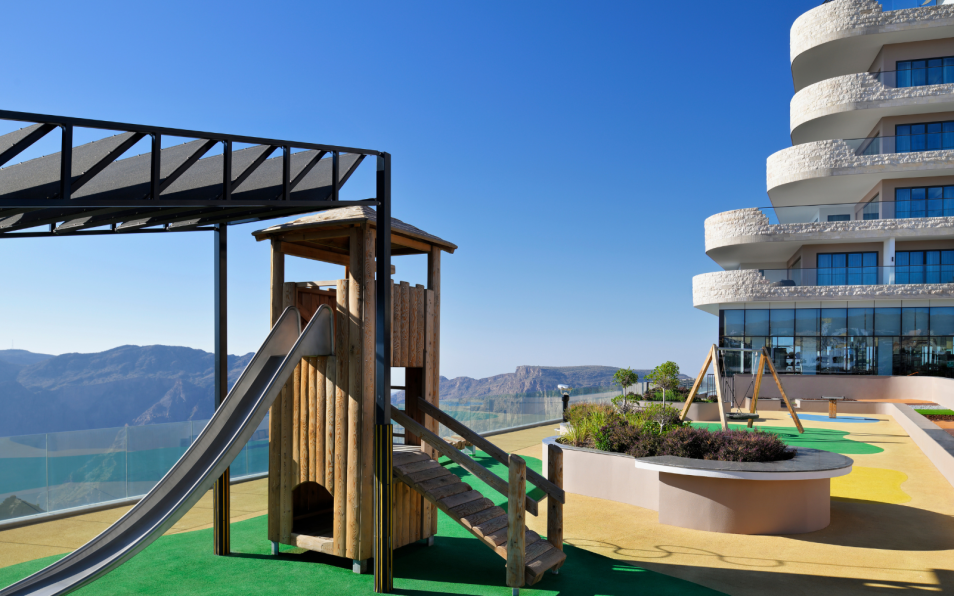
One recent project that Timberplay have been involved in is Desert Rock, an exclusive resort developed by Red Sea Global, where the astonishing landscape takes centre stage. Prestige villas are positioned through the cliffside setting, integrated with the landscape and offering jaw dropping views. Within easy reach of UNESCO World Heritage Sites, it was important that any intervention to the landscape was carried out with sensitivity.
Timberplay’s inhouse Landscape Architect team worked alongside Red Sea Global to create a bespoke design for play, small enough to fit in with the available footprint, but still delivering great play value for children across a wide age range.
Alongside products specifically selected for toddlers, there is also more challenging equipment, like a climbing structure which provides multi-level simulation for slightly older children and teens. The positioning of the play area is key, close to shared spaces, but within a shaded spot.
Play Within Saudi Vision 2030: Nature, Culture, and High‑End Tourism
Desert Rock is part of Saudi Vision 2030, a bold Leisure and Tourism project for the region which is harnessing the landscape to showcase the region. Dormant volcanoes, nature reserve inhabited with rare wildlife and coral reefs are just some of the key elements that will make the resort so unique.
This connection to nature is becoming a significant motivator for high level leisure seekers. Life is busy, we have more pressure on our time now than ever before and a holiday is a real opportunity to have a break from the constant stimulation and digital noise that surround us. The opportunity to slow down, connect to nature - and each other - is a real draw. Whereas historically it was about providing wall to wall to stimulation and entertainment, holiday centres are now often looking to create the opportunity for peaceful spaces, and play is set to be a very important part of that.
St. Regis Red Sea: Natural Play as Cultural Immersion
The same is true for the St. Regis Red Sea Project. Also managed by Red Sea Global, both projects are part of Saudi Vision 2030, an ambitious redevelopment initiative aimed at building a sustainable luxury hospitality market in the region.
Cultural immersion has become key for luxury travel, providing experiences that reflect the unique culture of the country, and connection with the nature of that setting is one of the most authentic ways in which to do this. Rather than the bright, colourful and often plastic products synonymous with Leisure and Hospitality, clients now are looking for natural materials and playful landscapes, leaning into the rich play value that's naturally provided.
Silver Sands, Jeddah
One of the best examples of a hospitality-focused play area we have seen is at the Silver Sands Resort in Jeddah—a thoughtfully designed space that is both visually distinctive and perfectly aligned with the resort’s objective of delivering family-friendly luxury. Here, play value has been carefully considered from the outset, with equipment selected to appeal to a broad age range and encourage repeat engagement, ensuring the space resonates with the entire family rather than serving as a simple children’s add-on.
Developed by Alam Creative Design Studio in collaboration with Cracknell, the nature-inspired playground blends sustainably sourced timber structures with sand and water play, dynamic movement elements and collaborative features that promote social interaction. The result is an immersive environment that supports sensory, physical and imaginative development while complementing the refined aesthetic of the wider resort. More than a recreational facility, the playground acts as a strategic asset—enhancing dwell time, strengthening guest satisfaction and reinforcing Silver Sands’ position as a leading destination for luxury family leisure in the region.
Amy Lam, Principal Architect at Alam Creative Design Studio, said of the project:-
“At Silver Sands Resort, we see family experiences as central to our offering. The playground was designed as an integral part of the resort — not simply an added amenity — and reflects the same standards of quality, design and detail found throughout the property.
By investing in a high play value, nature-inspired space, we’ve created an environment where children can explore, socialise and build confidence, while parents enjoy the reassurance of a safe, enriching setting. It has quickly become a defining feature of the resort and reinforces our commitment to delivering meaningful, family-focused luxury.”
Why Natural Materials Matter: Timber, Durability and Sustainable Luxury
Much of Timberplay’s product range is manufactured in the Bavarian Alps, using carefully selected tree species, each chosen for its suitability to a specific purpose. One of the species used extensively is Mountain Larch, which offers unrivalled intrinsic strength due to its slow growth at high altitude. Felled as part of regular avalanche prevention measures, this timber’s core durability performs consistently well in all climates. However, some clients have raised concerns about cracking in extreme temperatures, so a number of products are now available with reinforced steel rings, specifically developed to address this issue. The careful wood selection eliminates the need for chemical treatments, resulting in a product range that performs exceptionally over long periods and causes minimal environmental impact, both during manufacture and at the end of its lifecycle.
The palette of materials is a vital consideration in any high-end hospitality setting. Landscaping is paramount, and play should sit comfortably within it. Our reliance on timber has proven attractive to hoteliers and developers, and the scale of the timbers conveys quality. More than that, using natural materials taps into the growing desire for guests to feel more connected with nature.
Wellness now influences everything, from facilities to landscaping and architecture, all driven by an almost intangible need to feel grounded. Natural play mirrors this desire, allowing children to connect with nature through play and engage with the inherent value of wood, sand, and water. As illustrated by Red Sea Global, this fits within the general move towards more sustainable building, development, and living practices. Natural play, is a powerful way to reflect these values and to give children early exposure to materials, which provide long-term benefits for creativity, resilience, and emotional wellbeing.
This is an opinion that Worldwide Kids Megan Wilson shares, identifying sustainability as an essential benchmark for the future,
“The integration of sustainable practice, materials and decision making is essential for the luxury hotel phenomenon to continue to grow. This presents opportunities for us to explore new and existing materials with regards to changing climates, which will doubtless still be relevant in 10 years’ time.”
What are the main considerations for any hospitality operator looking to make meaningful investment in children’s play?
Number one, start the conversation with the play provider as early as possible, the sooner they can be part of the discussion, the easier it is to resolve any issues when it comes to planning. Collaboration is key, and the earlier this collaboration can start the better. Some of the most impressive spaces we have worked on within the market have been in development in tandem with the planning of the building and the infrastructure – it might be months or even years in the making, but the resulting play space benefits significantly from early consideration.
"Integrating play into the masterplanning and also ensuring that the aesthetic of the play fits cohesively within the wider landscape, all go to create a more distinctive and prestige play area in keeping with the wider resort."
Another area that needs to be part of the early discussions is the ongoing issue of maintenance. No operator wants to invest great sums of money or significant man hours into the upkeep of a playground, but, no matter how high quality the play products, some level of maintenance will be necessary, Therefore, it's better to earmark funds from the initial budget for general upkeep and to develop a robust maintenance schedule that can be followed to ensure any investment in play is around for as long as possible.
Why Play Belongs at the Heart of Luxury Hospitality Design
Rather than being confined to the sidelines and spare patches of ground, play is becoming fully integrated into the hospitality setting, and its importance should not be overlooked. As Megan Wilson of Worldwide Kids says:
“A well-designed play space is essential for any luxury hotel that wants to appeal to families. Play is as important to a child as a fine restaurant or a soft pillow. For children to have an enriching and fulfilled experience, they need to move, explore and express themselves. When children are settled and comfortable, the adults feel the same.”
The indicators all point in the same direction. As Whitney Houston famously sang “Children are the future.” For hospitality brands looking to future-proof their client base, investing in high-quality, beautifully integrated play spaces isn’t just about children, it’s about loyalty, connection and long-term success. It’s not just about creating better play areas; it’s about building a better business model.